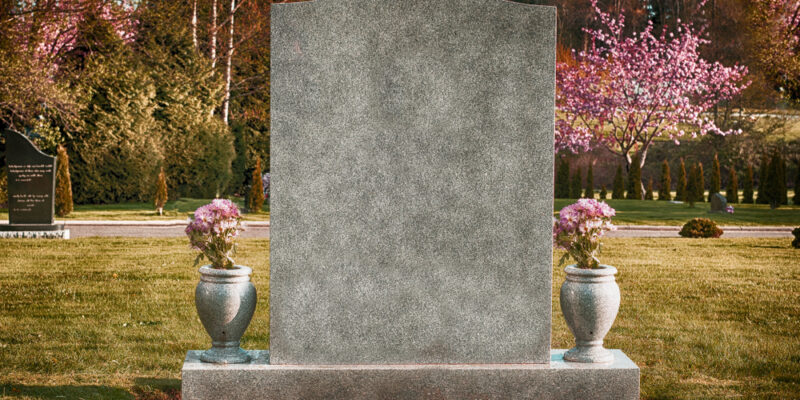
How to Choose a Headstone During a Difficult Time
Choosing a headstone is one of the most meaningful decisions families make after the loss of a loved one. It is a task often approached during a period of intense grief, when emotions are raw and clarity can feel distant. A headstone serves both as a permanent marker and as a reflection of a life lived, carrying emotional, cultural, and personal significance. Understanding how to navigate this process can bring a sense of peace and confidence, even during a difficult time. The following guide explores how to choose a headstone thoughtfully, balancing practical considerations with heartfelt remembrance.
Understanding the Purpose of a Headstone
A headstone is far more than a stone placed at a gravesite. It is a lasting symbol of memory, love, and respect. For many families, it becomes a place of reflection, connection, and remembrance for generations. Understanding this purpose can help frame decisions and reduce the feeling of being overwhelmed by choices.
At its core, a headstone marks where a person rests. It provides a name, dates, and often a brief message that speaks to who that person was. This public record ensures that a life is acknowledged and remembered within a shared space. Cemeteries are filled with stories told quietly through stone, and each marker contributes to a broader human narrative.
Beyond its practical function, a headstone offers emotional comfort. Visiting a marked grave can provide a tangible sense of closeness, especially in the early stages of grief. The design, wording, and symbols chosen can offer solace and a feeling that the individual has been honored in a way that feels right. Recognizing this emotional role can guide families toward choices that feel meaningful rather than rushed or purely functional.
Timing and Emotional Readiness
One of the most challenging aspects of choosing a headstone is deciding when to begin the process. Grief affects everyone differently, and there is no universal timeline. Some families feel a need to act quickly, while others benefit from waiting until emotions feel more manageable.
It is important to know that most cemeteries allow time before a permanent headstone must be placed. Temporary markers are often used in the interim. This flexibility can be a gift, allowing families to step back and make decisions with greater clarity. Waiting does not diminish love or respect, and it can lead to choices that feel more aligned with long term wishes.
Emotional readiness plays a significant role in decision making. Grief can cloud judgment, making it harder to focus on details or imagine how a choice will feel years later. Taking time to reflect, discuss memories, and consider what best represents the person can ease regret later. Conversations with trusted family members or close friends can also help clarify shared values and preferences.
Materials, Design, and Longevity
Selecting the material and overall design of a headstone is a practical step that carries lasting implications. Since a headstone is intended to endure for decades or longer, durability and maintenance should be carefully considered alongside appearance.
Common materials include granite, marble, and bronze, each offering distinct qualities. Granite is widely chosen for its strength and resistance to weathering, making it a dependable option in many climates. Marble has a classic, elegant appearance but may show wear more quickly over time. Bronze, often mounted on a granite base, provides a refined look and can allow for detailed artwork, though it may require periodic care.
Design choices often depend on cemetery regulations, which may dictate size, shape, and style. Understanding these guidelines early can prevent disappointment and ensure a smoother process. Within those boundaries, families can choose from upright markers, flat markers, or more custom forms. The design should feel appropriate to both the setting and the personality of the person being remembered.
Longevity is an essential consideration. A headstone should remain legible and dignified for future generations. Simple, well crafted designs often age gracefully, while overly intricate elements may be more vulnerable to wear. Thinking long term can help families select a marker that continues to honor their loved one over time.
Personalization and Meaning
Personalizing a headstone is often the most emotional and meaningful part of the process. This is where a family’s love, memories, and values are expressed in a lasting form. While the options can feel overwhelming, focusing on authenticity can make decisions clearer.
Inscriptions typically include a name and dates, but many families choose to add a short phrase, quote, or religious verse. These words can capture a guiding belief, a sense of humor, or a defining trait. Choosing an inscription that resonates deeply can provide comfort to those who visit and read it.
Symbols and imagery also play a powerful role. Religious icons, nature motifs, or representations of hobbies and passions can speak volumes without words. A carefully chosen symbol can reflect what brought joy or meaning to a person’s life. When considering personalization, it can be helpful to reflect on how the individual lived, what they valued, and how they are remembered by those who loved them.
Personalization does not need to be elaborate to be meaningful. Sometimes simplicity carries the greatest emotional weight. The goal is not to impress but to create a sincere tribute that feels true and respectful.
Conclusion
Choosing a headstone during a difficult time is a deeply personal journey, shaped by grief, love, and remembrance. While the process involves practical decisions about materials, design, and regulations, it is ultimately about honoring a life in a way that feels authentic and enduring. Allowing time for emotional readiness, understanding the purpose behind the marker, and focusing on meaningful personalization can transform a challenging task into a thoughtful act of remembrance.
There is no single right way to choose a headstone. What matters most is that the final choice reflects care, intention, and respect for the person being remembered. By approaching the decision with patience and reflection, families can create a lasting tribute that offers comfort now and for years to come.
Categorised in: Headstone