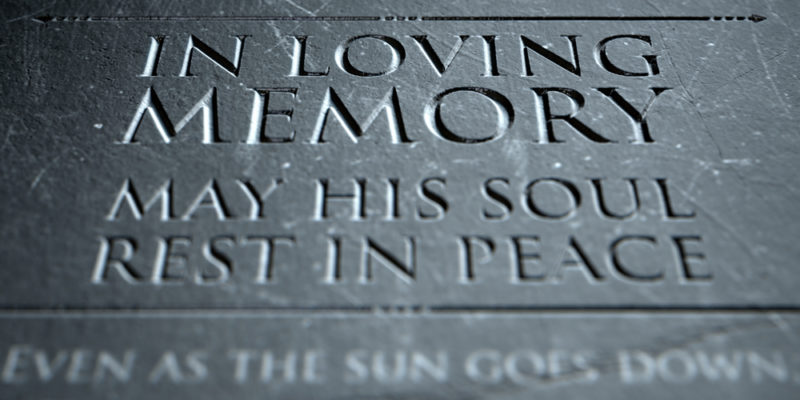
Choosing Fonts and Inscriptions for Headstones
When a loved one passes, one of the most meaningful decisions a family will make is choosing the right words and lettering for their headstone. A gravestone is not simply a marker; it is a lasting tribute, a permanent record of a life lived, and often the only physical place where future generations will come to remember and reflect. Getting the inscription and font right matters deeply, and the process deserves careful thought, creativity, and a clear understanding of your options.
This guide walks you through everything you need to know about headstone inscriptions, from selecting meaningful words to choosing a font style that honors your loved one with dignity and beauty.
Why Headstone Inscriptions Matter More Than You Think
Many people underestimate how much weight a few carefully chosen words can carry. Gravestone inscription ideas often start with a name and a date, but the best memorials go further. They capture personality, faith, love, or humor. They speak to future generations who never had the chance to meet the person being honored.
Think about the last time you walked through a historic cemetery and stopped to read a particular stone. Chances are, something about the words pulled you in. Maybe it was a line of poetry, a simple phrase that felt unexpectedly tender, or a name paired with a word like “beloved” that communicated everything without saying much at all. That is the quiet power of a well-chosen inscription.
Headstone inscriptions serve as a bridge between the living and the dead. They invite visitors to pause, to feel, and to remember. Even a brief phrase, when thoughtfully selected, can turn a piece of stone into something deeply human.
Understanding Font Styles for Headstones
Choosing the right font is just as important as choosing the right words. The lettering on a gravestone affects readability, emotional tone, and how well the inscription holds up over time. Stonemasons and monument companies typically offer a range of font styles, and understanding the basic categories will help you make a confident choice.
Serif fonts, such as Times New Roman or Garamond, are traditional choices for headstones. Their small decorative strokes give the lettering a classic, formal appearance that has been used in cemetery monuments for centuries. These fonts feel timeless and are especially well-suited to religious or traditional inscriptions.
Sans-serif fonts, such as Arial or Helvetica, have a cleaner, more modern appearance. They work well for families who want something contemporary and uncluttered. These fonts tend to read clearly from a distance and age gracefully on stone surfaces.
Script fonts mimic handwriting and can add a personal, flowing quality to headstone inscriptions. They are elegant and romantic, but families should be cautious: script fonts can become difficult to read as the stone weathers over the years. If you choose a script style, work with your monument maker to ensure the lettering is deep enough to remain legible for decades.
Block lettering is bold and highly durable. It reads clearly from a distance and withstands the elements well. While it may lack the ornate quality of script, block fonts communicate strength and permanence.
When making your decision, ask to see samples engraved in actual stone rather than just on paper. The way a font looks on a screen or in a catalog is not always the way it looks carved into granite or marble.
Popular Headstone Inscription Ideas and Themes
There is no single right approach to gravestone inscription ideas. The best inscriptions are personal, but looking at common themes can help spark inspiration when grief makes it hard to think clearly.
Religious and spiritual inscriptions remain among the most common choices. Phrases drawn from scripture, hymns, or prayers provide comfort and reflect a lifetime of faith. Lines such as “In God’s care” or references to peace, light, and eternal rest appear frequently across cemeteries of many traditions. These inscriptions reassure both the family and visitors that the person has passed into something larger than life itself.
Quotes from literature, poetry, and music are another popular category for headstone inscriptions. A line from a favorite poem, a lyric that defined a person’s worldview, or a phrase from a beloved novel can capture personality in a way that generic phrases simply cannot. Families often find that choosing a quote the deceased loved themselves makes the inscription feel genuinely authentic.
Personal epithets and descriptive phrases are simple but powerful. Words like “devoted mother,” “beloved husband,” “teacher and friend,” or “a life well lived” communicate the core of who a person was without requiring elaborate language. These short phrases work beautifully alongside a name and dates, especially when the stone’s design is already ornate.
Humorous inscriptions are less common but entirely valid, particularly for individuals who approached life with wit and lightness. A playful farewell or a gentle joke can honor a person’s true spirit better than a solemn quote ever could. If this feels right for your loved one, embrace it. Laughter and love are not opposites of grief.
Original inscriptions written by family members carry a weight that no borrowed quote can match. A sentence written by a spouse, child, or close friend speaks directly from the heart of those who knew the person best. Even if the words are imperfect, their sincerity makes them irreplaceable.
Practical Tips for Writing and Choosing Headstone Inscriptions
Once you have a sense of the tone and theme you want, there are several practical considerations to keep in mind as you finalize your headstone inscriptions.
Character limits matter more than many families realize. Most headstones have limited surface area, and monument companies often charge by the character or line. Before you fall in love with a lengthy passage, confirm how many characters or lines your chosen stone can accommodate. A shorter inscription, well chosen, is almost always more powerful than a longer one that feels crowded.
Proofread everything multiple times. A typo or grammatical error on a headstone is permanent and painful. Have at least two or three people review the exact text, character by character, before it is submitted for engraving. Pay special attention to names, dates, and any foreign language phrases, which are easy to misspell under the stress of grief.
Consider how the inscription will look visually on the stone. Work with the monument maker to see a layout proof before engraving begins. The placement of text relative to any symbols, portraits, or decorative elements can significantly affect the overall appearance.
Think about longevity. Some fonts and engraving styles hold up better in certain climates than others. If the cemetery is in a region with harsh winters, heavy rainfall, or intense sun, ask your monument maker which combinations of stone, font, and engraving depth will best withstand the local environment.
Finally, give yourself time. Grief is not a state of mind that makes decision-making easy. If circumstances allow, do not rush the inscription process. Living with a few options for a few days often brings clarity that is impossible to find in a single sitting.
Conclusion
Choosing fonts and headstone inscriptions is one of the most personal decisions a family will make in the aftermath of loss. The right words, set in the right lettering, create a memorial that honors a life fully and endures for generations. Whether you draw from scripture, poetry, personal memory, or your loved one’s own voice, the goal is the same: to say, clearly and permanently, that this person mattered. Take your time, trust your instincts, and know that the care you put into these choices is itself a form of love.
Categorised in: Lettering